
San Mateo County Criminal History Checks
Begin with the San Mateo Superior Court Records Index, known as MIDX, when the goal is to identify a filed case. It accepts a case number, a person or business name, and a filing-date range. Results are index entries, not the full file. A search is stronger when it uses a full legal name, checks alternate spellings, and compares the case type and filing date. Current custody is a separate question for the Sheriff's inmate locator. An incident report remains with the law-enforcement agency that wrote it.
No public California portal lets a person retrieve someone else's statewide rap sheet by name. A person seeking their own state summary criminal history uses the California DOJ fingerprint record-review process. Keep the purpose clear before searching, since court, booking, police, and DOJ files are created at different points and can change at different speeds.
- Choose the source: MIDX for a filed case, the sheriff for custody, or the arresting agency for its report.
- Search with the most exact name or case number available, then narrow by filing date.
- Compare the case type, party role, and date before treating an index hit as a match.
- View the underlying file at the court or request the agency record when index data is not enough.
- Order a certified copy or request a fingerprint record review only when that formal record is needed.
Search San Mateo County Court Records
The MIDX case index is the county's practical starting point for public Superior Court case discovery. Its search screen shows why a broad name search can return more than one possible file.
| Search field | Best use |
|---|---|
| Case number | Direct lookup when the court number is known |
| Person name | Finding cases tied to an individual |
| Business name | Locating an organization listed as a party |
| File-date range | Narrowing common names or a known period |
The official screen also displays a data timestamp. That freshness marker matters because an index can lag a new booking or a same-day court event. The source image below preserves the county interface without exposing private search results.
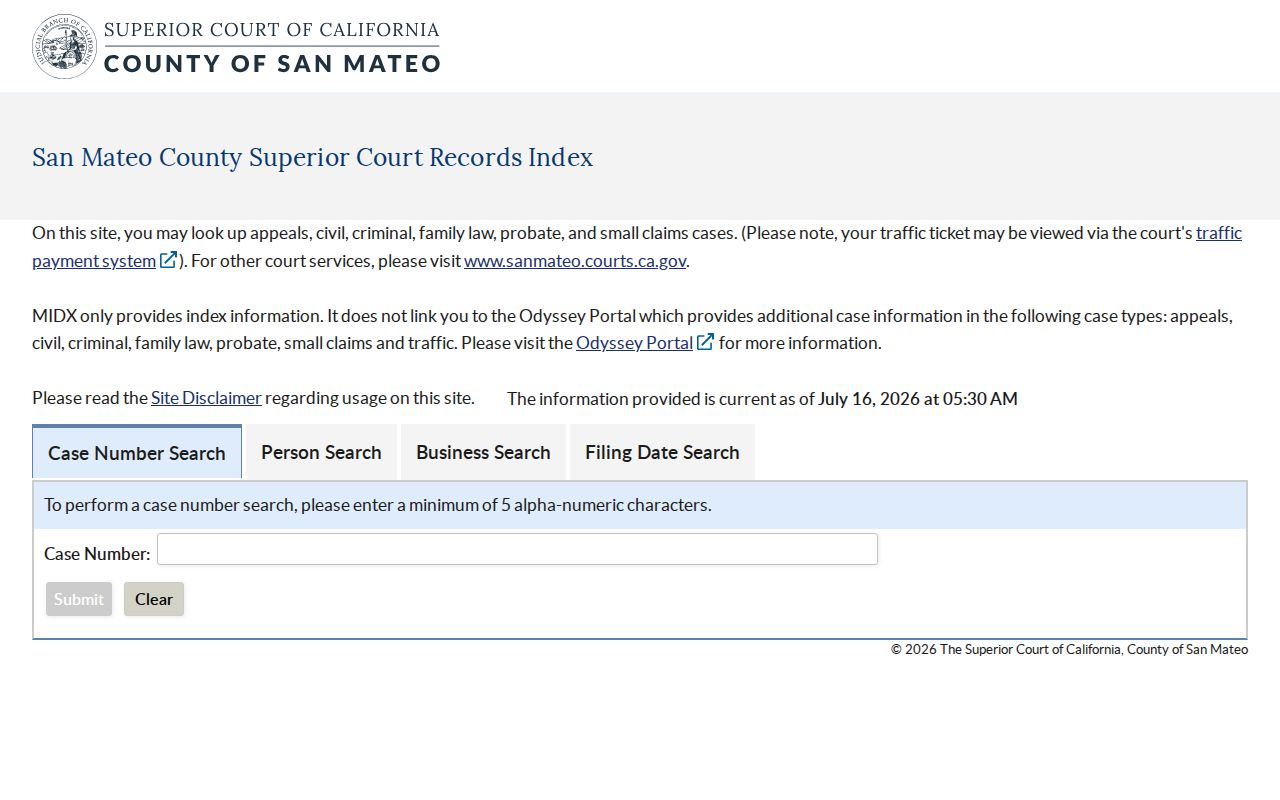
MIDX helps locate the file. Documents, certified copies, and older matters require the court's viewing or request channels.
Official Background Checks in California
The California Department of Justice, Bureau of Criminal Information and Analysis maintains state summary criminal history. California does not offer a general public name search for another person's rap sheet. Individuals may instead use the DOJ Record Review process to request their own record through Live Scan fingerprints. DOJ lists a $25 processing fee, while the fingerprint provider sets a separate rolling fee.
The record-review copy is meant for the subject to inspect accuracy and completeness. State law restricts unauthorized demands for or sharing of that copy. A local court search is not a substitute for fingerprint matching, but the state record is also not a public case-document service.
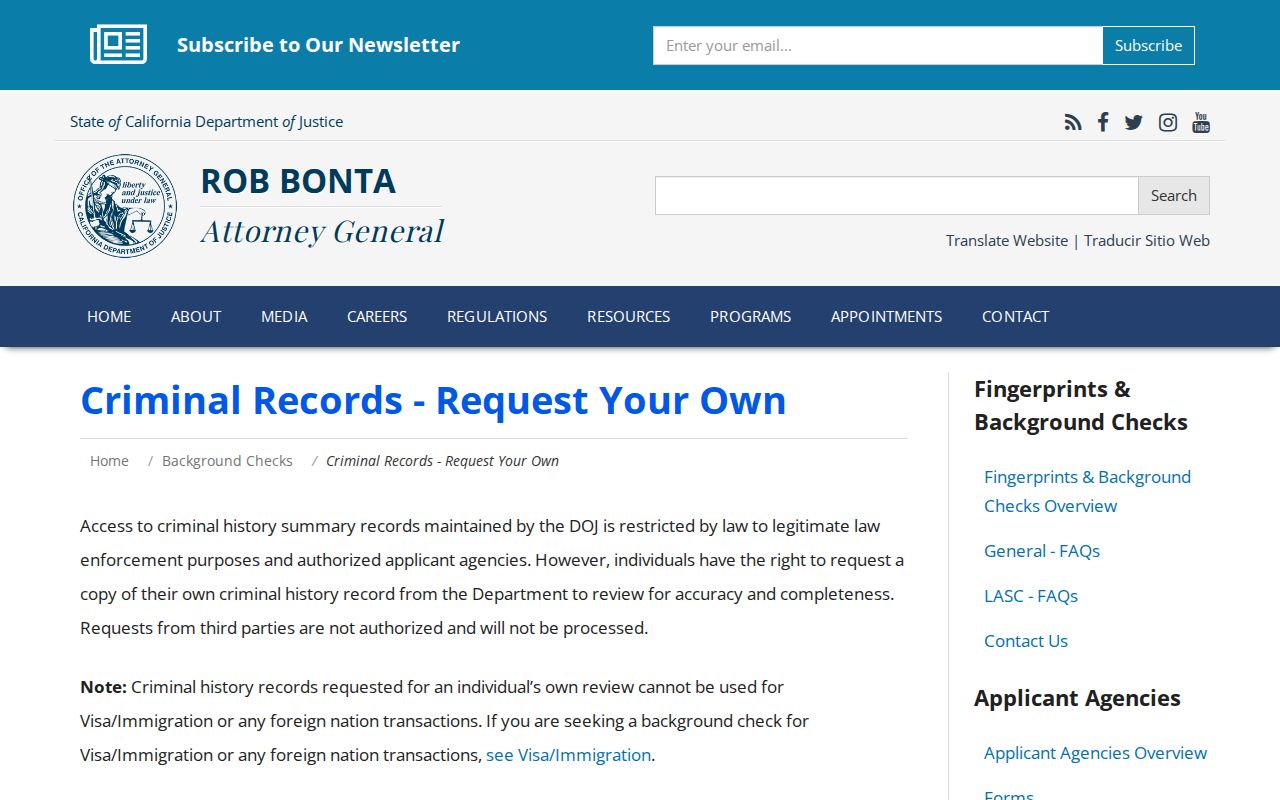
Out-of-state residents follow DOJ's fingerprint-card route rather than using a public name portal.
San Mateo County Sheriff Records
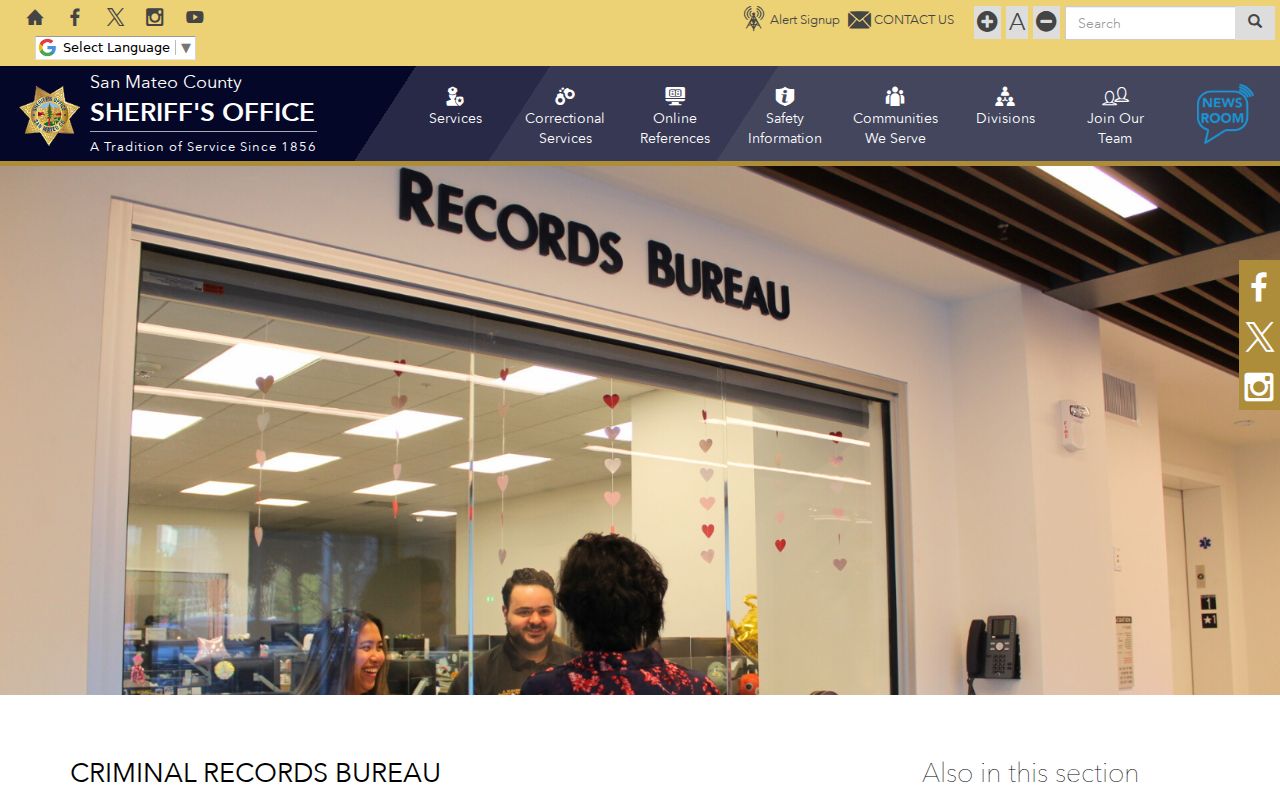
The Sheriff's Criminal Records Bureau serves as custodian of records and a county criminal-record repository. Requests can use the Sheriff's public records form or the physical request process, with records support available at sheriffs_recsup@smcgov.org. The bureau is distinct from the court clerk: it handles sheriff-created material, while filed charges, rulings, and sentences belong to Superior Court.
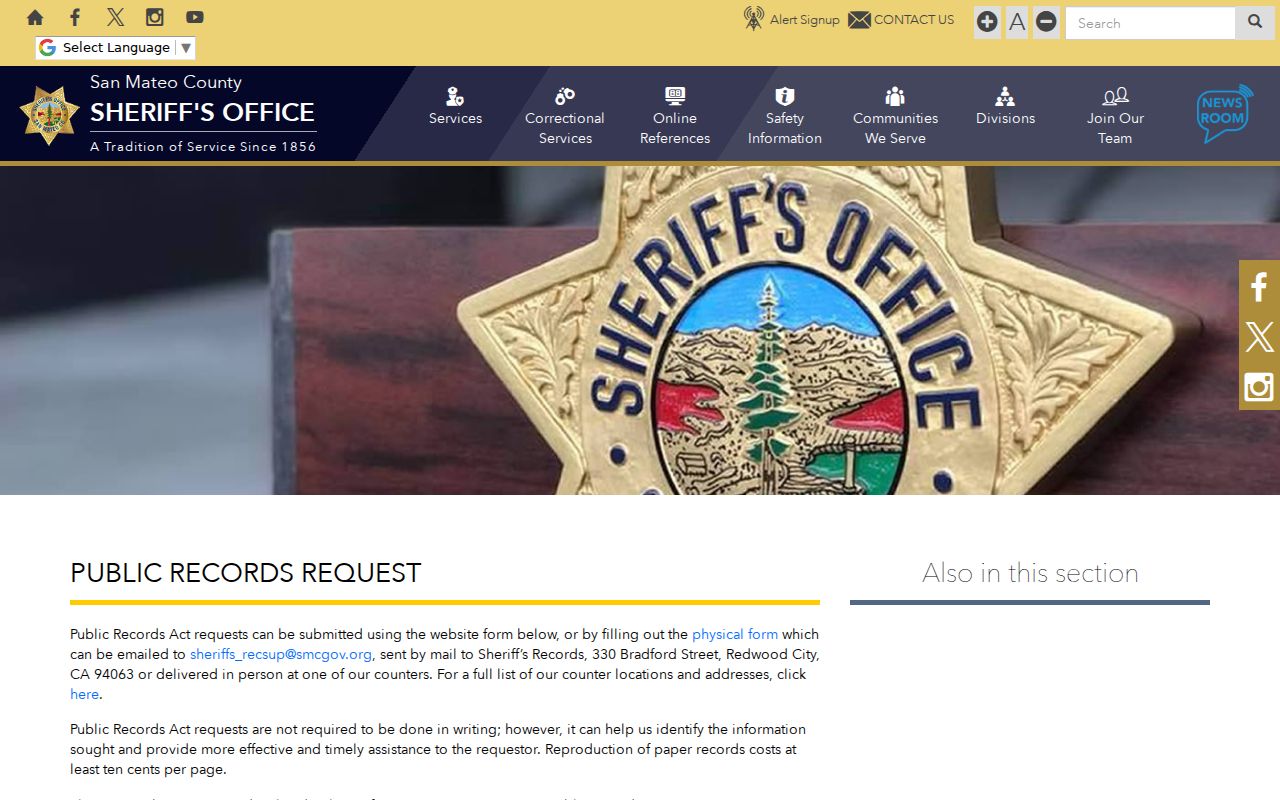
A precise request should identify the incident, date range, agency, and type of record. CPRA access still yields to privacy, investigative, juvenile, and other legal limits.
Criminal Records Bureau
330 Bradford Street
Redwood City, CA 94063
650-363-4911
Superior Court Records
Hall of Justice, 400 County Center
Redwood City, CA 94063
650-261-5100
Kinds of San Mateo County Criminal Records
Criminal records describe different events. Police create incident and arrest reports. The jail creates booking and custody entries. Prosecutors decide which charges to file, and Superior Court builds the case file. California DOJ receives arrest and disposition reporting for the state summary history. Probation, parole, and the sex offender registry each track a narrower legal status.
These sources should not be merged without care. A booking charge may change before filing. A dismissed case may still have an older arrest entry. Current jail custody differs from a CDCR prison commitment.
- Arrest and booking records identify the agency, intake event, alleged charges, and custody status.
- Criminal court files track filed charges, hearings, pleas, motions, disposition, and sentence.
- State summary history links fingerprint-based arrest and reported disposition data.
- Warrant information belongs to the issuing court and law enforcement, with access shaped by safety concerns.
- Supervision and registry records reflect probation, parole, or registration duties rather than a full history.
San Mateo County Booking Record Flow
Maguire Correctional Facility is the county's intake facility, while Maple Street Correctional Center is also part of the Sheriff's corrections system. The Sheriff's website routes users to the inmate locator for current custody. City arrests from San Mateo, Daly City, and Redwood City can enter this county system even though the police report stays with the city department.

The record flow is Arresting agency > County booking > Prosecutor review > Superior Court filing > California DOJ disposition reporting. Each handoff may occur on a different schedule. A current jail result can appear before MIDX lists a filed case.
San Mateo County Criminal Records: What They Contain
A useful record ties the person to the event and shows where the matter stands. Names and dates help distinguish people, but a case number or fingerprint is more reliable. Charge text describes an allegation or filed count. The disposition states how the court resolved that count, and the sentence records the ordered consequence. Missing fields may mean the reader has only an index or booking view.
| Name & Identifiers | Name, aliases, birth data, case number, or booking number where public |
|---|---|
| Arrest / Booking Data | Agency, arrest date, intake details, and alleged booking charges |
| Charges & Statutes | Filed offense description, level, and California code citation |
| Disposition | Dismissal, plea, conviction, acquittal, or other court outcome |
| Sentence | Custody, fine, probation, or other order when imposed |
| Custody / Supervision Status | Current jail, prison, probation, parole, or release information in the relevant system |
San Mateo County Court Branches
San Mateo County's trial court is the Superior Court of California, County of San Mateo. Criminal functions are not confined to a city municipal court. The Hall of Justice in Redwood City anchors criminal records and viewing, while the Northern Branch in South San Francisco serves north county matters. The Central Branch in San Mateo handles other court business, and juvenile material routes through the Juvenile Branch under stricter access rules.
The Superior Court homepage connects the branches, calendars, and online services.
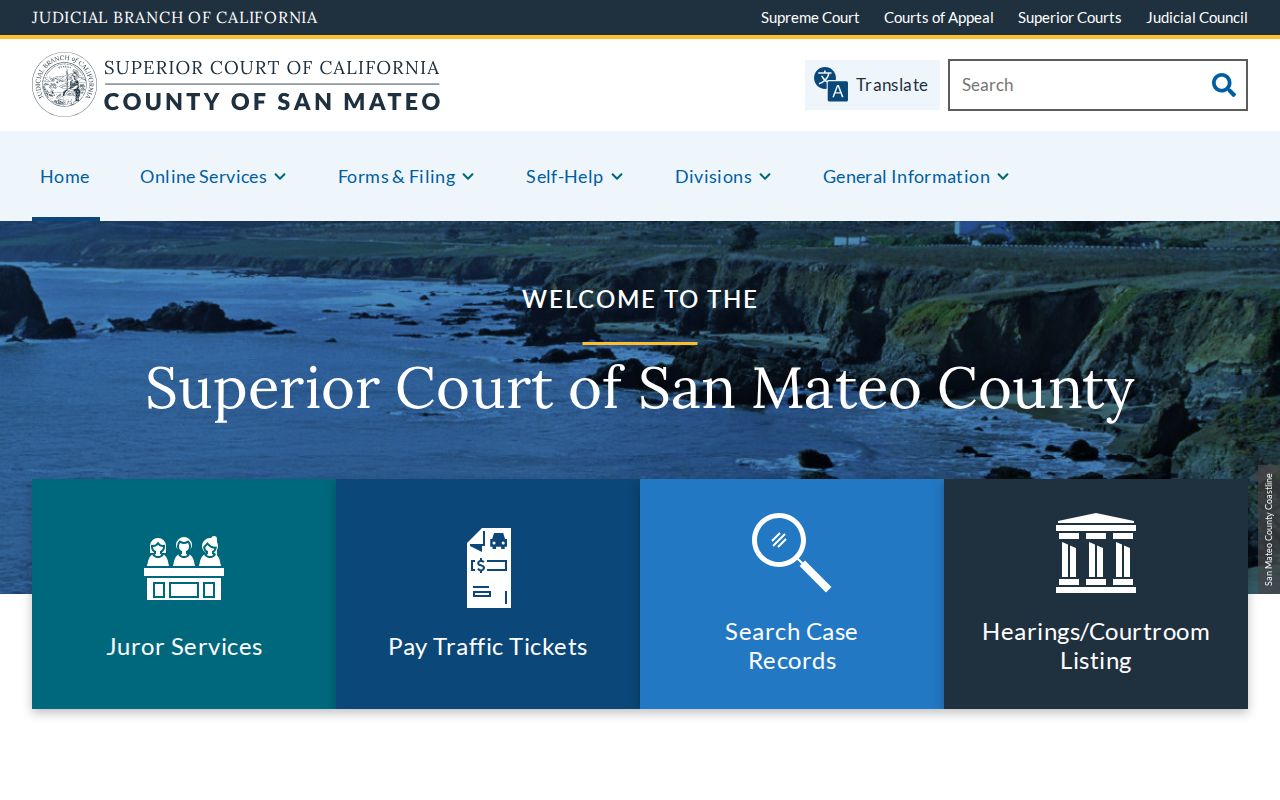
Criminal cases filed before 1993 need special handling. The court directs those inquiries to the Criminal Court Clerk's Office at 650-261-5100, option 1.
California Public Access Laws
The California Public Records Act governs requests to executive agencies such as police and the sheriff, but court files follow judicial access rules and court procedures. Penal Code section 11105 limits dissemination of state summary criminal history. Public does not mean every detail is released: active investigations, protected personal data, juvenile files, sealed records, and some registry information can remain restricted.
Key Statutes:
Government Code section 7920.000 et seq. sets the California Public Records Act framework.
Penal Code section 11105 controls access to DOJ summary criminal history.
Penal Code section 1203.4 provides eligible people a dismissal remedy after probation or sentence completion.
California Rule of Court 2.551 sets procedures for records filed under seal.
San Mateo County Court Copy Costs
When index data is not enough, Records Management accepts mail copy requests with the case number, names, requested documents, return address, and payment. The court says it replies within 30 days. A not-to-exceed check lets staff fill in the actual amount up to the limit set by the requester.
| Service | Published amount |
|---|---|
| Copy | $0.50 per page |
| Certification | $40 per document |
| Exemplification | $50 plus copy fees |
| Record search over ten minutes | $15 |
| Off-site retrieval | $10 |
The Odyssey portal information explains why online access varies by user and case type.
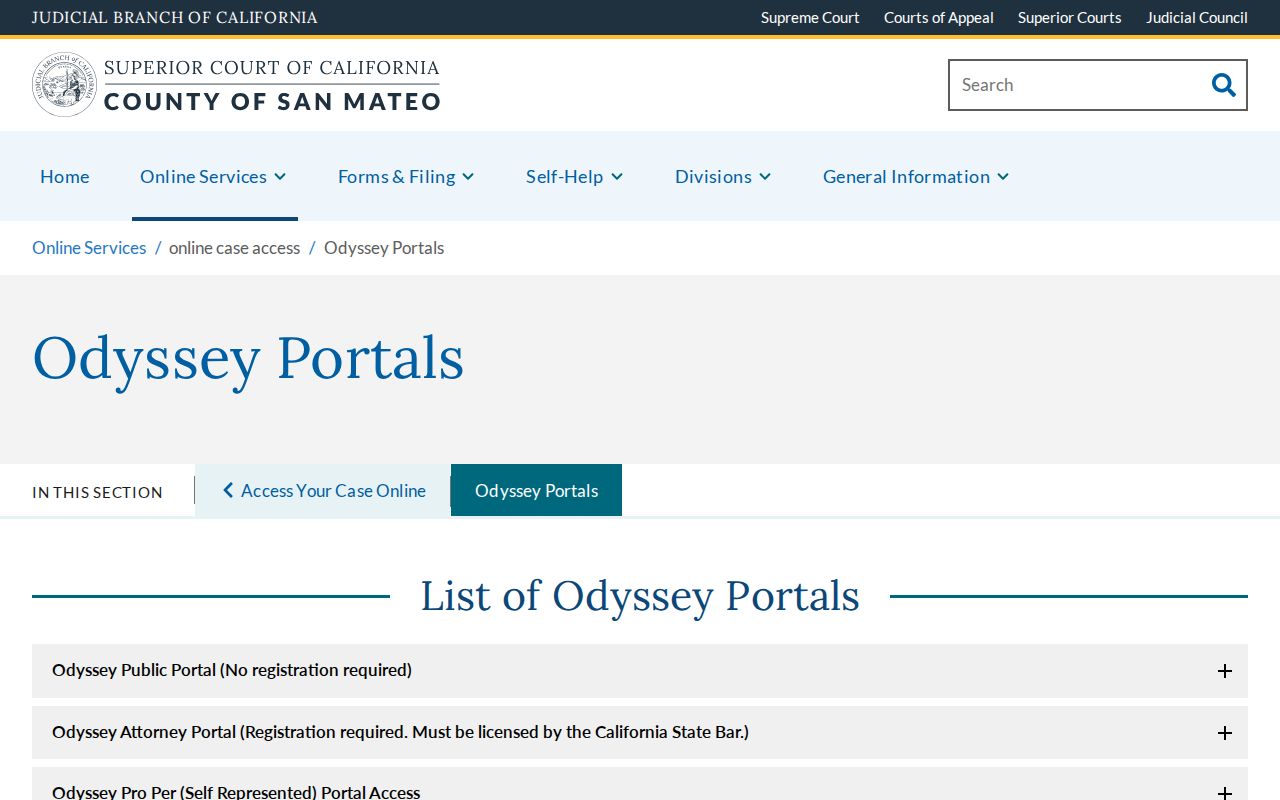
Fees and access paths should be confirmed with the court before mailing a request.
Restricted, Sealed and Expunged Records
California commonly uses “expungement” for relief under Penal Code section 1203.4, although the remedy is a dismissal after eligible completion of probation or sentence. It does not erase every government record or restore every right. Separate processes cover some arrest sealing, juvenile sealing, automatic record relief, and sex-offender tier termination petitions.
A sealed court file is not available through normal public viewing. Juvenile records are routed away from the public criminal counter. Government agencies may retain access authorized by law even when a public search no longer shows the material. The Superior Court Criminal Division supplies local forms and procedural links, while legal advice should come from a qualified professional.
San Mateo County Probation Records
The San Mateo County Probation Department runs adult and juvenile probation, along with pretrial services. Its presentence reports can address the offense, record, social history, victim impact, and sentencing factors, but these rich reports are not a public case index. Their use and disclosure are restricted.
The Probation Department homepage lists county services and offices.
State parole is separate. CDCR's Division of Adult Parole Operations supervises state parole, and the CDCR Inmate Locator covers people in state prison custody rather than the county jail.
City-by-City Criminal Records in San Mateo County
City police departments retain their own incident reports even when an arrest later produces a county jail booking and Superior Court case. San Mateo offers four report-request paths, Daly City publishes a records desk channel and Live Scan service, and Redwood City provides detailed report rules plus a city records portal. Each local page keeps those city procedures distinct from county court access.
San Mateo Record Check
103,337 · Police reports require a signed letter and identification on remote requests.
Daly City Record Check
101,261 · The police records desk and Live Scan service serve different purposes.
Redwood City Record Check
82,178 · Local police, county jail, court, and probation offices share the county seat.
San Mateo County Registry Limits
The California Megan's Law Website is a focused public-safety registry, not a general criminal history database. It is managed by California DOJ and refreshed from law-enforcement reporting. Searchers may use name or map-based tools, but public display varies by registration category and legal disclosure rules. Some registrants do not appear publicly, and address detail is not the same for every profile.
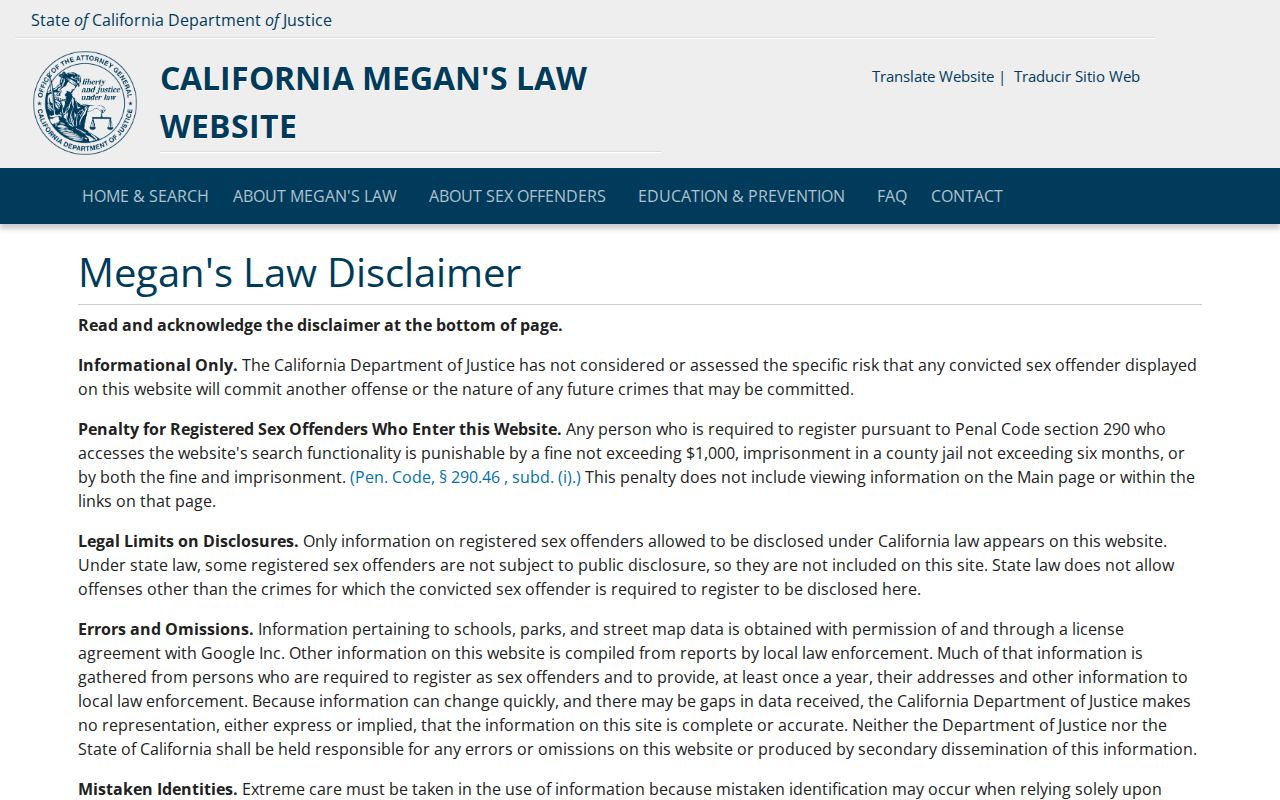
The official Megan's Law search opens with terms and restrictions that should be read before use.

Registry information may not be used to harass or discriminate. Suspected noncompliance belongs with law enforcement, not social media.
San Mateo County Record Agencies
The county portal is a useful directory when the right custodian is unclear. The County of San Mateo homepage connects residents to the Sheriff, Probation, District Attorney, and other departments.

Use the creator rule: police reports stay with the police agency, bookings with the sheriff, filed cases with the court, and statewide fingerprint history with DOJ. The Sheriff's Criminal Records Bureau page confirms its custodian role.
Sending a request to the right holder saves time and reduces the chance of receiving an index when a report or certified court document was actually needed.